

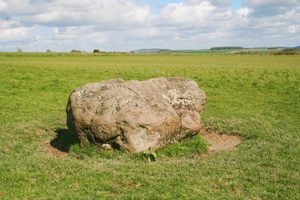
In Durrington, the Cuckoo Stone lies as a silent enigma while many flock to see its neighbor, Stonehenge. This squat sarsen stone, similar to those that tower tourists in Stonehenge, exudes esotericism and intrigues captivated scholars and archaeologists for centuries.
Once a focal point of human activity, people placed the stone upright sometime before 2000 B.C. and used it for ceremonial importance. Part of the Stonehenge Riverside Project conducted excavations and unveiled more clues about this perplexing stone’s origins and significance. The discovery of a pit next to the object, with remnants of cremation burials, suggests that the Cuckoo Stone was important to ancient communities, specifically in ceremony practices.
Excavations also saw that, in the Roman era, a rectangular building emerged southwest of the stone, hinting at the timeless homage paid to this sacred site. There are possibilities that the Cuckoo Stone served as a place of worship or pilgrimage for ancient peoples due to the presence of pits and scattered coins surrounding the area.
Despite the passing of time, this stone continues to captivate keen historians and offer a glimpse into the rich history of human civilization and its enduring legacy. Once described as an imposing megalith that rivaled those at Stonehenge, the Cuckoo Stone now rests on its side as a mere remnant of its former magnificence.
0 comments:
Post a Comment